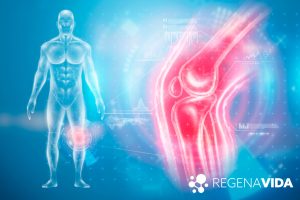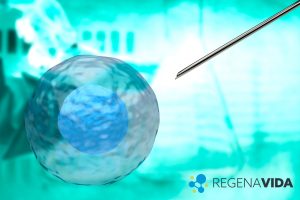

At RegenaVida, we believe in providing cutting-edge regenerative medicine treatments, including stem cell therapies, to allow our patients to heal and thrive. One of the most promising applications of regenerative medicine is the employment of embryonic stem cells (ESCs). These incredible cells can develop into almost any cell type in the human body and, as such, are a very promising weapon against a wide range of diseases. From repairing damaged tissues to potentially curing currently incurable diseases, the applications of ESCs are a very active area of scientific research.
What Are Embryonic Stem Cells?
Embryonic stem cells are pluripotent cells, meaning they can form any cell type in the human organism. They are derived from the inner cell mass of a blastocyst, an embryo in an early stage of development, typically the initial days of development. Unlike adult stem cells, which are differentiated, ESCs possess unrivaled potential for research and medical application because of their flexibility.
Potential Medical Applications of Embryonic Stem Cells
- Regenerative Medicine and Tissue Repair
One of the most promising areas of ESC use is in regenerative medicine. Scientists are looking into how the cells can be used to grow healthy tissues to replace those lost through injury, disease, or aging. Some of the conditions that this work may potentially assist include:
- Spinal cord injuries: Studies have shown that ESC-derived nerve cells have the potential to restore function and repair spinal cord injuries.
- Heart disease: Research has established the capacity of ESCs to develop muscle cells of the heart, promising new therapies for heart attack survivors and heart failure patients.
- Burn and wound healing: ESCs may be used for skin cell regeneration, promising improved healing for severe burns and chronic wounds.
- Neurological Disorders
ESCs hold enormous promise for treating neurodegenerative diseases due to their ability to differentiate into various neural cells. Some of the target diseases are:
- Parkinson’s disease: ESCs can generate dopamine-secreting neurons lost in Parkinson’s disease and thus potentially restore motor function and quality of life.
- Alzheimer’s disease: The study is still in its preliminary stages, but scientists are exploring whether ESCs can replace the lost neural connections in Alzheimer’s.
- Multiple sclerosis (MS): Cells derived from ESCs may help repair the damaged myelin sheath in MS, halt disease progression, and restore nerve function.
- Treatment of Diabetes
The absence of insulin-producing beta cells in the pancreas leads to type 1 diabetes. Researchers aim to utilize embryonic stem cells to create new beta cells, potentially curing the body’s inability to regulate blood sugar. This could provide a lasting solution for the current population that depends on insulin therapy.
- Blood and Immune System Disorders
ESCs are under investigation as a potential treatment for blood disorders such as leukemia, anemia, and immune deficiency. By making new blood cells, ESCs could help revive a patient’s immune system after chemotherapy or bone marrow transplantation.
- Organ and Tissue Engineering
One of the most groundbreaking possibilities in medicine is the ability to produce functional tissues and organs from embryonic stem cells (ESCs). Scientists are working to engineer tissues for the liver, kidney, and lung that may one day reduce the need for organ transplants. This is a new field, but it holds vast potential for addressing the shortage of organ donors worldwide.
Challenges and Ethical Considerations
While promising, the application of ESCs is not without controversy. One of the primary concerns is the ethical debate surrounding the source of these cells. Since ESCs are derived from embryos, their use carries moral and ethical implications that remain contested in both scientific and public opinion circles.
Additionally, there are scientific hurdles to overcome, such as making ESC-derived treatments safe and effective and not inducing complications like tumor growth. Researchers are already exploring ways to overcome these hurdles, such as optimizing differentiation techniques and pursuing alternative sources like induced pluripotent stem cells (iPSCs), which are reprogrammed from adult cells to possess ESC-like properties.
Looking to the Future
Embryonic stem cells are one of the most exciting areas of medicine right now. While there are still hurdles to be cleared, ongoing research continues to uncover new ways that ESCs can treat disease, restore tissue, and ultimately improve lives. As the science evolves, the applications of ESCs will continue to expand, taking us one step closer to a time when regenerative medicine can offer hope to millions.
At RegenaVida, we are privileged to be at the forefront of regenerative medicine, offering the latest stem cell therapies and other cutting-edge treatments to help our patients achieve optimal health. If you are interested in discovering how stem cell therapy can meet your or your loved ones’ needs, don’t hesitate to take the first step! Schedule an appointment with our highly trained physicians and technicians today. Reach out to us now and embark on your journey toward a healthier tomorrow!