
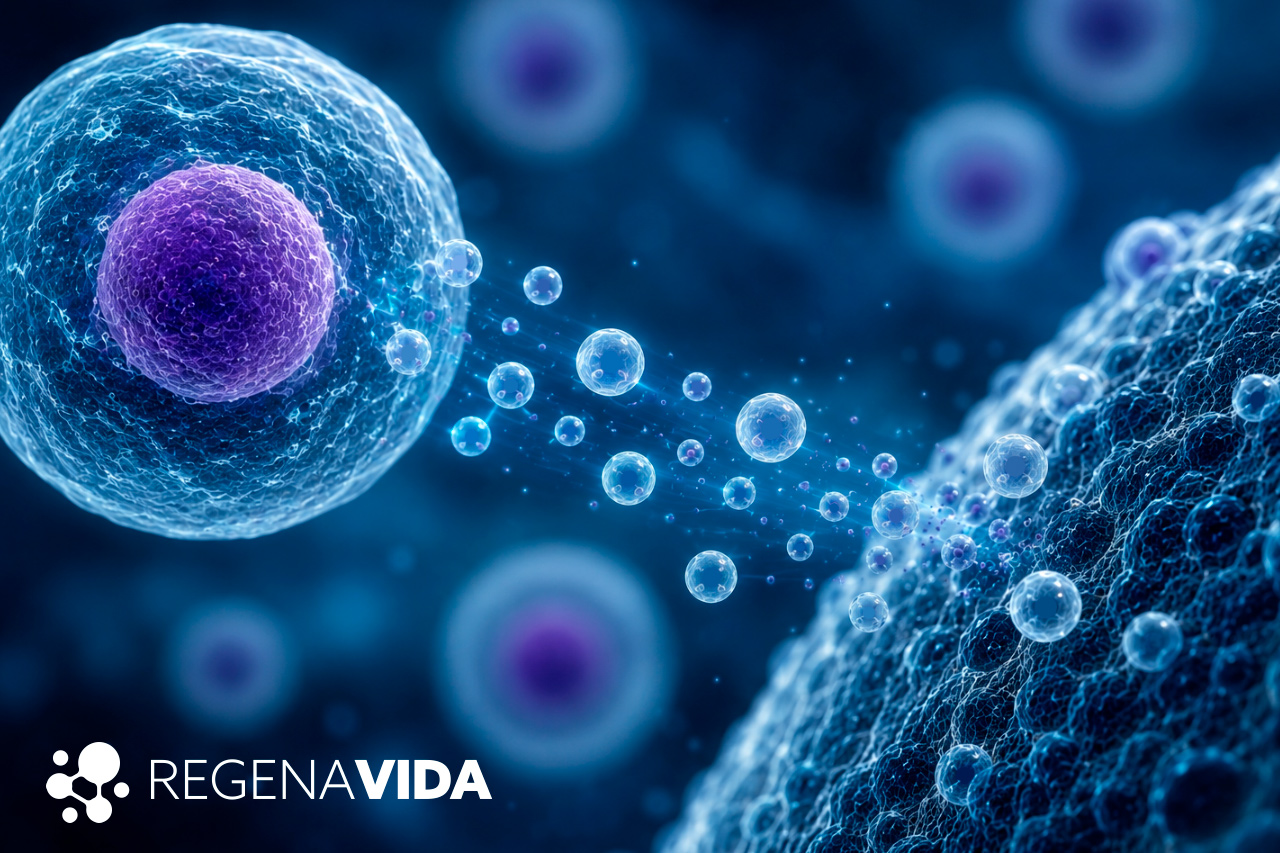
Regenerative medicine aims to create living tissue or replace damaged cells. Regenerative medicine also researches the repair of damaged tissues, cells, and organs. Stem cell therapy works with pluripotent cells that are created to be introduced into a patient’s body to target damaged cells, potentially replacing them with healthy, efficient cells, leading to perceivable health results.
Stem cell research in countries such as the United States lagged behind due to concerns about “unethical” practices. It was believed that stem cells were obtained from fetuses and the umbilical cord. Currently, Mexico offers more stem cell treatments than the United States, as Mexico prioritized research over these restrictions and can obtain stem cells from various sources, not just umbilical cords. Mexico, however, is regulated by an FDA equivalent named COFEPRIS, and laboratories and clinics offering stem cell therapy must obtain certifications to operate. Lets see the comparison of exosomes vs stem cells.
Exosomes vs Stem Cells: What’s the Difference?
Stem cells and exosomes play distinct roles in regenerative medicine, each with unique functions.
- Stem cells are pluripotent cells, possessing the ability to differentiate (transform) into specialized cells. When introduced into the body, stem cells travel to areas of opportunity and replace or support cells to ensure their proper functioning. Often, when delivered via IV, stem cells can identify and address multiple “areas of opportunity” throughout the body.
- Exosomes, in contrast, are much smaller, extracellular vesicles. They are not cells themselves but rather act as crucial signaling agents. In the context of stem cell therapy, exosomes are often utilized to mediate intercellular communication. They can enhance immune responses, helping to prevent and reduce adverse reactions to therapies. At RegenaVida, certified physicians frequently recommend exosomes to act as signals for stem cells, guiding them to target specific areas or conditions.

Why Do RegenaVida Doctors Combine Stem Cells with Exosomes?
Stem cells are the body’s construction workers, repairing and regenerating tissues throughout the body. Exosomes are “messengers” or “signals” that carry information, guiding stem cell activity and enhancing treatment effectiveness while regulating the body’s immune response. The combination of exosomes with stem cell therapies allows exosomes to direct stem cells to the intended area, optimizing therapeutic impact and minimizing rejection risks, while reducing inflammation and helping accelerate healing.
How are Exosomes Harvested?
Exosomes are carefully extracted in a laboratory setting, like our facility in Guadalajara, Mexico, which is the largest of its kind in Latin America. Our lab adheres to strict protocols for the production, replication, and storage of all our products, including exosomes.
The primary method for extracting exosomes involves ultracentrifugation, a process that separates them based on their size and density. Here’s how it works:
- First Centrifugation: This initial step is performed at a relatively slow speed. Its purpose is to remove larger, undesired fragments and cells from the sample.
- Second Centrifugation: Following the first spin, the remaining liquid is subjected to a much faster centrifugation. This increased velocity effectively separates the tiny exosomes from other components.
Once separated, the exosomes undergo a cleaning and storage process. They are thoroughly cleansed to ensure purity and then stored separately from other cells. Maintaining their viability is crucial, so exosomes are typically kept at freezing temperatures.
When exosomes are removed from cryopreservation, they must be kept at no more than 4°C (39°F) and used within 72 hours. Strictly following these guidelines ensures they remain active and effective, per COFEPRIS regulations.
What Are the Risks of Exosomes?
When sourced and handled correctly by certified clinics and laboratories, high-quality, preserved exosomes generally carry little to no inherent risks. The primary and most significant risks associated with exosome treatments stem from improper product quality, handling, or mislabeling.
Product Quality and Purity Risks:
- Mislabeled Products: Companies falsely claiming products are exosomes or contain viable exosomes pose a risk. These may be ineffective or harmful.
- Contamination: Non-sterile processing can introduce bacteria, viruses, or fungi, risking serious infections.
- Loss of Viability/Integrity: Exosomes are fragile. If not stored correctly, such as at proper temperatures, they can lose efficacy, making treatments ineffective and wasteful.
How Do I Minimize Risks?
To reduce risks, ensure exosome treatments are done in certified clinics following strict protocols for production, replication, storage, and application. For example, in Mexico, this means following COFEPRIS guidelines for safety and quality. Patients should ask about the exosomes’ source, laboratory certifications, and handling procedures.

Can Exosomes Be Used Without Stem Cells?
Yes, absolutely! Exosomes can be used alone in treatments such as facial rejuvenation and alopecia, using their signaling abilities to promote natural healing. Explore RegenaVida’s catalogue of exosome treatments to learn more.
Am I an Exosome Candidate?
Are you wondering if you’re a candidate for exosome therapy? Contact RegenaVida today! Our experts can help determine your suitability and guide you through the best treatment options to achieve your health goals.