Multiple sclerosis is one of the most complex neurological conditions currently studied in regenerative medicine. Unlike orthopedic injuries or localized nerve disorders, MS involves both immune dysregulation and progressive neurological damage, which is one reason patients often spend years searching for therapies capable of supporting long-term neurological function rather than simply managing flare-ups alone.
Interest in stem cell therapy for multiple sclerosis has expanded significantly over the last decade, particularly surrounding mesenchymal stem cells (MSCs), neuroinflammatory regulation, and regenerative support for myelin-related damage.
While stem cell therapy is not considered a cure for MS, ongoing research continues exploring whether regenerative approaches may help:
- modulate immune activity
- reduce inflammatory stress
- support neurological signaling
- and improve quality of life in select patients.
This article reviews current evidence, explains the difference between major stem cell approaches being studied for MS, and explores why regenerative medicine has become an increasingly important area of neurological research.
Understanding Multiple Sclerosis
Multiple sclerosis is a chronic autoimmune neurological disease affecting the central nervous system.
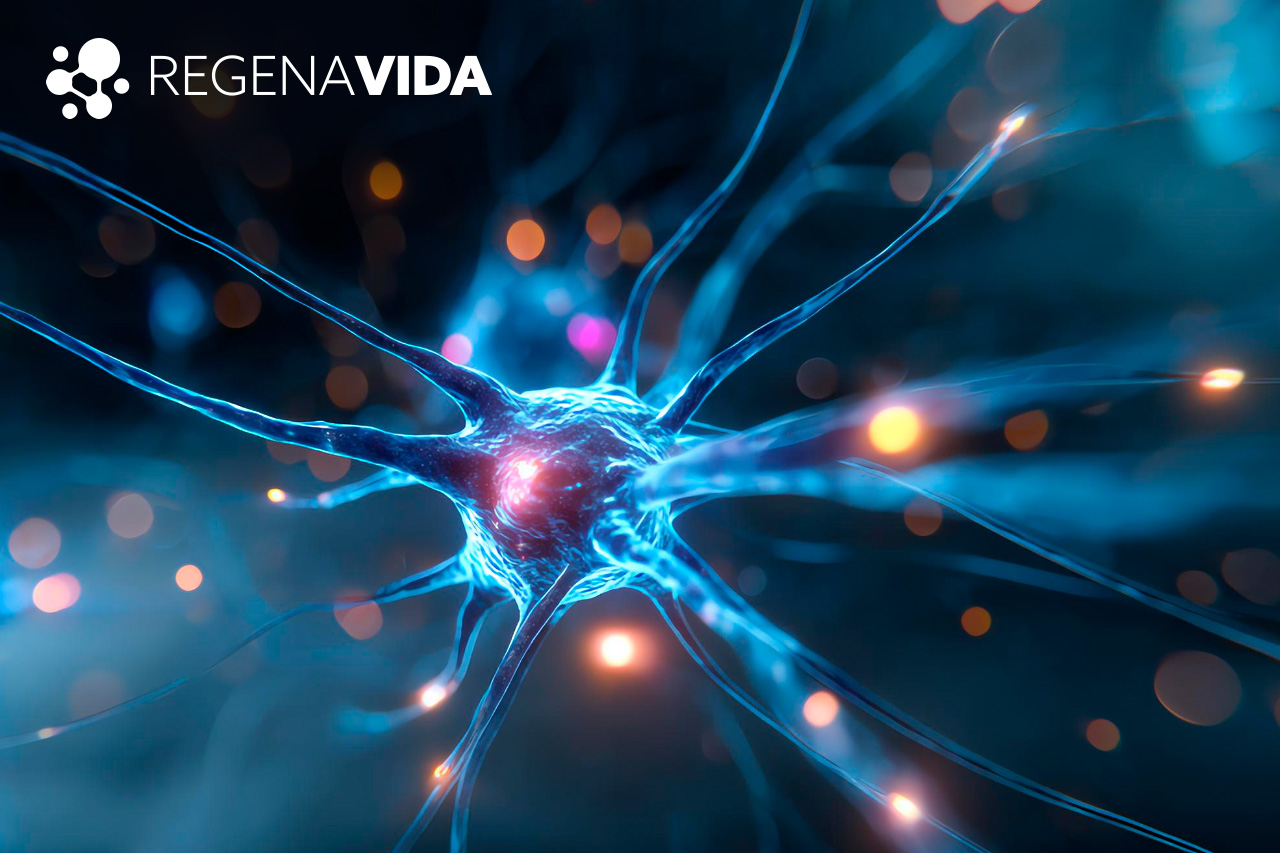
In MS, the immune system mistakenly attacks myelin, the protective sheath surrounding nerve fibers responsible for transmitting electrical signals between the brain and body.
Over time, this inflammatory process may contribute to:
- demyelination,
- neurological dysfunction,
- mobility problems,
- fatigue,
- coordination issues,
- muscle weakness,
- and cognitive symptoms.
The disease varies substantially from patient to patient. Some individuals experience long periods of relative stability, while others develop progressive neurological decline over time.
That unpredictability is one reason many patients explore regenerative medicine earlier in the disease process rather than waiting until disability becomes severe.

Why Stem Cells Are Being Studied for MS
Researchers investigating stem cells for MS are primarily interested in two major areas:
- immune modulation,
- and neuroprotective support.
Current regenerative medicine studies suggest mesenchymal stem cells may influence:
- inflammatory signaling,
- immune system regulation,
- tissue repair pathways,
- and neuroprotective biological environments.
In MS specifically, regenerative medicine is being explored not simply because of nerve damage itself but because chronic inflammation may contribute continuously to neurological stress and degeneration.
Some research also investigates whether regenerative biologics may help support:
- myelin preservation,
- neuronal communication,
- and overall neurological function.
Importantly, most neurologists and regenerative specialists emphasize that stem cell therapy remains an evolving field requiring careful medical oversight and realistic expectations.
MSC Therapy vs HSCT: Understanding the Difference
MS patients should understand that not all stem cell therapies are the same.
This is particularly true regarding:
- mesenchymal stem cell therapy (MSC therapy)
vs - hematopoietic stem cell transplantation (HSCT).
What Is HSCT?
HSCT is a highly aggressive immune-reset procedure typically involving:
- chemotherapy,
- immune system suppression,
- hospitalization,
- and hematopoietic stem cell transplantation.
Its primary goal is to “reset” immune activity in select MS patients.
Because HSCT is intensive and carries substantial medical risks, it is generally reserved for carefully selected cases under specialized medical supervision.
What Is MSC Therapy?
Mesenchymal stem cell therapy is fundamentally different.
MSC therapy is generally studied for its:
- immunomodulatory properties,
- anti-inflammatory effects,
- regenerative signaling,
- and neuroprotective support.
Rather than replacing the immune system entirely, MSC-based regenerative therapy is being explored as a supportive neurological strategy focused on:
- inflammatory regulation,
- tissue support,
- and preserving neurological function.
This distinction is important because many patients researching “stem cells for multiple sclerosis” encounter both therapies online without understanding how different they actually are.
What Current Research Shows
Research involving mesenchymal stem cells for multiple sclerosis applications continues expanding internationally.
Published studies and neurological observations suggest MSCs may potentially contribute to:
- inflammatory regulation
- fatigue reduction
- mobility support
- and improved quality of life in some patients.
Current investigations also continue exploring whether regenerative biologics may help support:
- myelin-related repair pathways
- neuronal protection
- and neurological stability.
Researchers remain particularly interested in:
- umbilical cord-derived MSCs
- Wharton’s Jelly MSCs
- and exosome-supported regenerative therapies because of their signaling and anti-inflammatory properties.
At the same time, responsible regenerative clinics should acknowledge:
- evidence is still evolving
- outcomes vary significantly
- and no regenerative therapy can currently guarantee reversal of MS progression.
Patients pursuing earlier intervention and long-term neurological support often have different goals than individuals seeking treatment during advanced disability stages.
Why Timing May Matter in MS Treatment
One of the most important conversations in modern regenerative medicine for neurological disorders centers on timing.
Many patients exploring regenerative therapy today are not necessarily waiting for severe disability before seeking care. Increasingly, individuals with:
- family history,
- early symptoms,
- inflammatory neurological concerns,
- or recent diagnosis
are exploring proactive strategies focused on:
- preserving neurological function,
- supporting mobility,
- reducing inflammatory burden,
- and maintaining long-term quality of life.
That shift aligns closely with broader trends in longevity medicine and preventive neurological wellness.
For many educated patients, regenerative medicine is viewed less as a “last resort therapy” and more as part of a longer-term strategy to support healthy neurological aging.
RegenaVida’s Approach to Regenerative Neurology
At RegenaVida, neurological regenerative medicine is approached through individualized physician-guided evaluation rather than standardized treatment packages.
Depending on the patient’s condition, regenerative protocols may involve combinations of:
- mesenchymal stem cells,
- exosome-supported therapies,
- IV regenerative medicine,
- metabolic optimization,
- and neurological wellness support.
In select neurological cases, advanced administration routes such as intrathecal application may be considered following physician review, imaging evaluation, and neurological assessment.
The goal is not to promise reversal of MS, but to explore supportive regenerative strategies focused on:
- inflammatory modulation,
- neurological preservation,
- mobility,
- and quality of life.
That medically conservative approach is particularly important in neurological care.
Frequently Asked Questions
Can stem cells cure multiple sclerosis?
At present, stem cell therapy is not considered a cure for MS. Current regenerative medicine research primarily focuses on immune modulation, neuroprotection, and quality-of-life improvements.
What type of stem cells are most commonly studied for MS?
Mesenchymal stem cells (MSCs), particularly those derived from umbilical cord tissue and Wharton’s Jelly, are among the most commonly studied regenerative biologics in neurological research.
Is intrathecal stem cell therapy used for MS?
In select neurological cases, advanced administration methods such as intrathecal application may be considered under physician supervision following imaging review and neurological evaluation.

Considering Regenerative Therapy for Multiple Sclerosis?
Living with MS often means thinking beyond short-term symptom management. Many patients focus on preserving independence, mobility, neurological function, and quality of life over the long term.
RegenaVida offers individualized regenerative medicine consultations for patients interested in stem cell therapy for multiple sclerosis, with physician-guided protocols designed around neurological health, inflammatory balance, and long-term wellness goals.
If you would like to better understand current regenerative medicine options for MS, the RegenaVida team can help you explore available therapies with a transparent, evidence-informed perspective focused on neurological support and responsible care.